Best Coffee Maker Buying Guide: Expert Picks for Every Home, Budget & Brew Style
Written by Ibrahim Khalil – Authority at The HomeDecor Review ( Author Bio )
Introduction
There’s a moment every morning when the alarm goes off and the only thing standing between you and a functional human being is a great cup of coffee. For most Americans, that cup — and the machine that makes it — matters more than people admit.
The best coffee maker buying guide you’ll ever read isn’t one that just lists products. It’s one that helps you understand why certain machines work better for certain lifestyles, what features are actually worth paying for, and how to avoid the traps that most buyers fall into. That’s exactly what this guide is.
Whether you’re a busy parent who needs a programmable drip machine ready before sunrise, a home barista hunting for the perfect espresso machine, or someone in a studio apartment looking for a compact single-serve coffee maker — this guide covers it all.
We’re breaking down every major coffee maker type, the features that actually matter, and giving you clear, honest recommendations so you can walk away confident in whatever you choose.
Let’s brew something great.
Why Choosing the Right Coffee Maker Matters
Coffee isn’t just a beverage in the United States — it’s a ritual. According to the National Coffee Association, over 66% of Americans drink coffee every day. That means most households are running a coffee machine at least once daily, sometimes multiple times.
Choosing the wrong coffee maker doesn’t just mean bad coffee. It means:
- Wasted money on a machine that doesn’t fit your lifestyle
- Daily frustration with slow brewing, weak flavor, or complicated cleanup
- Paying for features you’ll never use — or missing features you desperately need
- Buying again in 18 months because the first machine let you down
The right coffee maker, on the other hand, becomes one of the most-used and most-loved appliances in your kitchen. It pays for itself in saved coffee shop trips, and it fits seamlessly into your morning routine. That’s worth spending some time on the research — and that’s why this guide exists.
Types of Coffee Makers Explained
Before diving into recommendations, it’s worth understanding what each machine type actually does, who it’s built for, and what compromises (if any) come with it.
Drip Coffee Makers
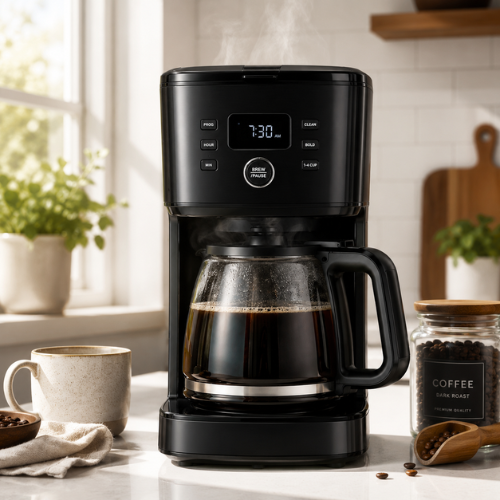
The classic American kitchen staple. Drip coffee makers work by heating water and slowly pouring it over coffee grounds held in a filter basket.
The brewed coffee drips into a carafe below — either a glass carafe kept warm on a hot plate, or a stainless steel thermal carafe that keeps coffee hot for hours without burning it.
Who it’s for: Families, offices, anyone who brews multiple cups at once, people who want simplicity and reliability.
Key strengths: Easy to use, widely available, affordable range, large-capacity options, programmable models let you wake up to fresh coffee.
Limitations: Doesn’t produce espresso or specialty drinks. Glass carafes can burn coffee if left on the hot plate too long.
Single Serve Coffee Makers
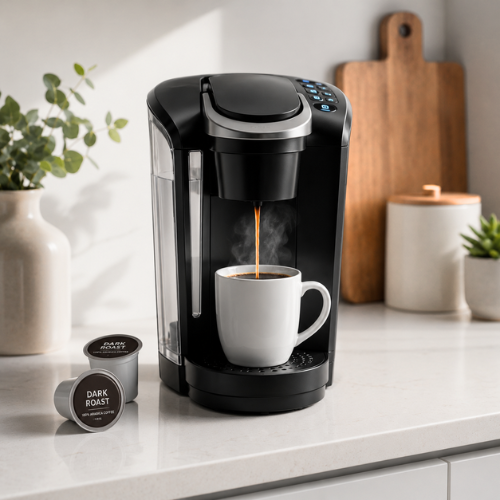
Single serve machines — most famously Keurig, but also Nespresso and other pod-based systems — brew one cup at a time using pre-portioned pods or capsules. They’re fast (under a minute), produce minimal mess, and offer a huge variety of flavors.
Who it’s for: Solo coffee drinkers, households where people prefer different types of coffee, office environments, travelers.
Key strengths: Speed, convenience, minimal cleanup, wide variety of flavors, no wasted coffee.
Limitations: Pod cost adds up significantly over time. Environmental concerns around plastic waste. Generally can’t match the depth of flavor from freshly ground coffee.
Watch for: Ongoing pod costs (which add up fast), machines that don’t reach proper brew temperature, limited reusable filter compatibility.
Espresso Machines
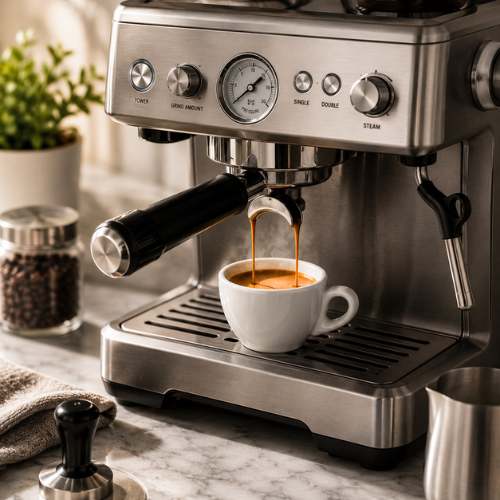
Espresso machines force hot water through finely-ground coffee at high pressure (typically 9 bars), producing a small, highly concentrated shot of coffee with a rich crema on top. Espresso is the foundation for lattes, cappuccinos, americanos, and most coffeehouse drinks.
There are several types of espresso machines for home use:
- Manual/lever machines – Full control, steep learning curve, beloved by purists
- Semi-automatic machines – You grind, tamp, and pull the shot; the machine handles pressure and temperature
- Super-automatic machines – Bean-to-cup; does everything from grinding to milk frothing with the press of a button
- Pod-based espresso (Nespresso) – Convenient, consistent, but less flexible
Who it’s for: Home baristas, espresso enthusiasts, anyone who wants café-style lattes and cappuccinos at home.
Key strengths: Produces premium espresso and espresso-based drinks, highly customizable flavor profiles, impressive results when mastered.
Limitations: Higher price point, learning curve for manual machines, requires quality coffee and proper technique for best results.
French Press Coffee Makers
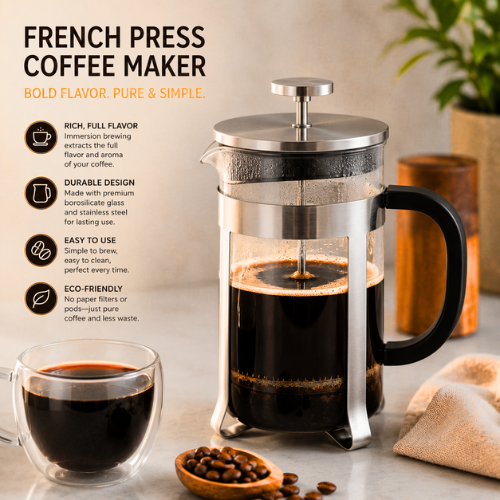
The French press is one of the oldest and most elegant coffee brewing methods. Coarsely ground coffee steeps in hot water for 4 minutes, then a metal mesh plunger is pressed down to separate grounds from coffee. The result is a full-bodied, rich cup with natural oils intact.
Who it’s for: Coffee purists, people who enjoy the brewing ritual, anyone who wants deep, bold flavor without electricity.
Key strengths: No filters needed, no electricity, produces incredibly rich and complex coffee, very affordable.
Limitations: Requires timing, produces some sediment in the cup, doesn’t keep coffee warm, cleanup requires rinsing grounds.
Pour Over Coffee Makers
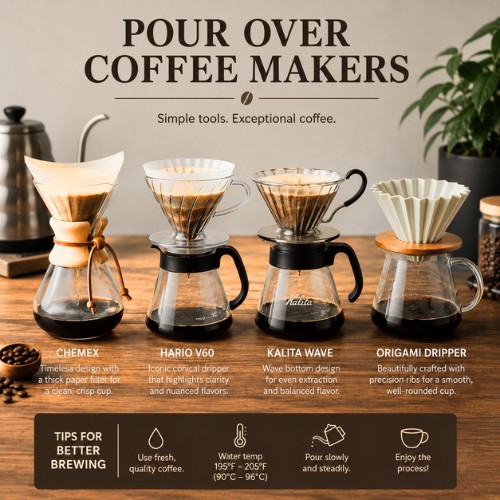
Pour over is the method you see specialty coffee shops using — hot water is poured slowly and deliberately over grounds in a cone filter, giving you precise control over extraction. Brands like Chemex, Hario V60, and Kalita Wave have made pour over a celebrated home brewing ritual.
Who it’s for: Coffee geeks who love the process, anyone who wants the cleanest, brightest flavor expression from quality beans.
Key strengths: Exceptional flavor clarity, highlights the nuance in high-quality coffee, no electricity needed, beautiful tabletop aesthetic.
Limitations: Takes 4–6 minutes, requires practice and consistency, not ideal when you’re in a rush.
Smart Coffee Makers
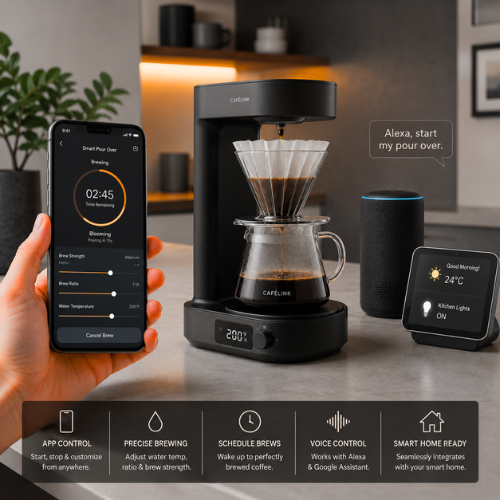
Smart coffee makers connect to Wi-Fi or Bluetooth and can be controlled via smartphone apps, voice assistants like Alexa or Google Home, or programmed schedules far more flexible than traditional programmable machines. Some models are designed to learn your preferences and adjust on their own.
Who it’s for: Tech-forward households, anyone with a smart home setup, professionals who want seamless morning routines.
Key strengths: Remote start and scheduling, voice control compatibility, app-based customization, often paired with advanced brewing technology.
Limitations: Higher price point, dependent on app functionality, connectivity issues possible, overkill if you don’t use smart features.
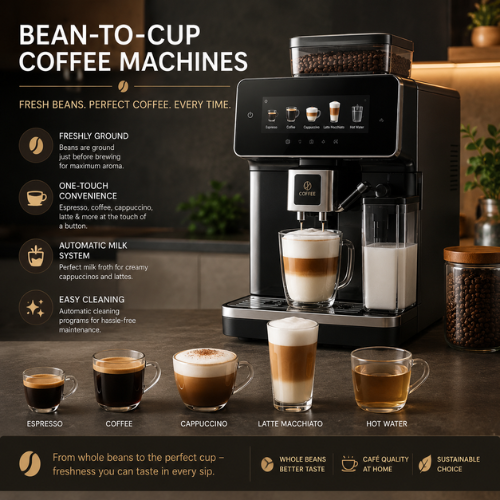
Bean-to-Cup Coffee Machines
Bean-to-cup machines — also called super-automatic espresso machines — grind fresh coffee beans and brew a cup completely automatically.
You load whole beans into the hopper, set your preferences, and push a button. These are the closest thing to a professional barista in your kitchen.
Who it’s for: Espresso and fresh coffee enthusiasts who want premium quality without daily manual effort.
Key strengths: Freshest possible coffee since beans are ground per cup, fully automated workflow, wide drink variety on high-end models.
Limitations: Expensive (typically $500–$2,500+), require regular cleaning and maintenance, large footprint.
Best Coffee Makers for Different Needs
Best Coffee Maker for Families
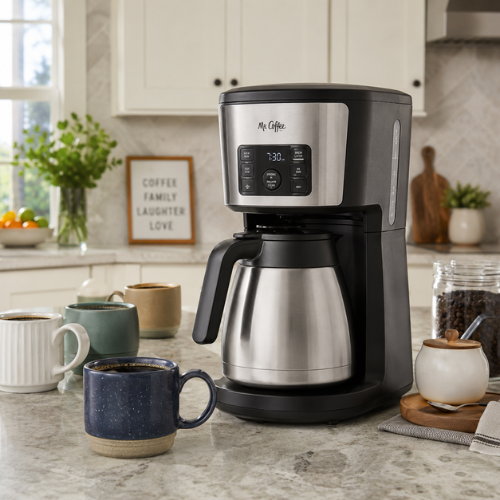
Families need capacity, reliability, and the ability to keep coffee hot for an extended period. A thermal carafe drip coffee maker in the 10–12 cup range is the gold standard here. Look for:
- Thermal carafe (not glass) to keep coffee hot for 2–4 hours without burning
- Programmable timer so coffee is ready when the first person wakes up
- Pause & Pour feature that lets you grab a cup mid-brew
- Brew strength selector to satisfy both light and dark roast preferences in the household
- Auto-clean cycle to make daily maintenance quick
Top picks in this category typically range from $80–$200 and come from brands like Cuisinart, Breville, and Hamilton Beach.
Best Coffee Maker for Small Kitchens
Apartment dwellers and anyone with limited counter space need a machine that punches above its weight without dominating the workspace. Key considerations:
- Compact footprint — look for machines under 8 inches wide
- Single serve or small carafe (4–6 cups is plenty for 1–2 people)
- Vertical water reservoir design to minimize counter depth
- Removable drip tray for easier cleaning in tight spaces
Great options include compact pod machines, mini drip makers, or space-efficient AeroPress setups.
Best Budget Coffee Maker
You don’t need to spend $200 to get a reliable, good-tasting cup of coffee. The best budget coffee makers (in the $35–$80 range) share a few qualities:
- Simple, reliable drip brewing mechanism
- At least a 8–10 cup capacity
- Pause & Pour function
- Warming plate (though a thermal carafe at a slightly higher price is worth it)
Hamilton Beach and Mr. Coffee dominate this space with dependable, no-frills machines that consistently deliver solid results.
Best Premium Coffee Machine
If you’re ready to invest in a truly exceptional home coffee experience, the premium tier ($300–$1,500+) opens up a different world:
- Breville Barista Express or similar: Built-in conical burr grinder + semi-automatic espresso in one machine
- De’Longhi Magnifica series: Super-automatic bean-to-cup with one-touch milk beverages
- Technivorm Moccamaster: Dutch-engineered drip coffee at precisely the right temperature (SCAA-certified)
These machines are built to last a decade or more, produce café-quality results daily, and often become centerpieces of a kitchen coffee station.
Best Coffee Maker for Beginners
Beginners need simplicity without sacrificing quality. The sweet spot is a mid-range programmable drip machine or a pod-based single serve coffee maker. Look for:
- Minimal settings — programmable time, brew strength, cup size
- Easy water filling — wide-mouth reservoir or side-fill tank
- Dishwasher-safe parts for effortless cleanup
- Clear indicator lights for power, brewing status, and descaling reminders
Features to Look For Before Buying
Shopping for a coffee maker can feel overwhelming when you’re staring at a wall of options in a box store or scrolling through hundreds of listings online. Here’s what actually moves the needle on coffee quality and daily usability:
Brewing Temperature
This is the single most impactful factor most buyers ignore. The Specialty Coffee Association (SCA) specifies that optimal brewing temperature is between 197°F and 205°F.
Budget machines often brew at around 175–185°F—warm enough to seem like coffee, but not hot enough to fully draw out the grounds’ flavor. The result is flat, watery-tasting coffee that no amount of premium beans can fix.
Look for machines that explicitly state their brewing temperature, or that carry SCA certification.
Bloom and Pre-Infusion
High-quality drip machines and pour over setups use a “bloom” or pre-infusion phase — a brief spray of hot water over the grounds before the main brew cycle begins.
This releases CO2 trapped in freshly roasted coffee and allows the grounds to fully saturate, dramatically improving extraction and flavor.
This feature matters most if you use freshly roasted coffee (as you should).
Carafe Type: Glass vs. Thermal
- Glass carafe with warming plate: Keeps coffee accessible and visually appealing, but the warming plate gradually burns and bitters the coffee after 30–40 minutes.
- Thermal carafe: Keeps coffee hot for 2–4 hours without any heat source, preserving flavor far better. Highly recommended for anyone who brews more than a single cup.
Brew Strength Settings
Not everyone wants the same intensity. Look for machines with at least two settings — regular and bold — and ideally a slider or dial that gives finer control. Some machines also offer a “small cup” concentrated setting for when you want a stronger brew in a smaller volume.
Programmability
At minimum, useful programmability means setting a brew time so coffee is ready when you wake up. More advanced machines offer multiple brew profiles, different temperatures for different roast levels, and app-based scheduling.
Built-In Grinder
Freshly ground coffee is demonstrably better than pre-ground. If you’re serious about flavor, a machine with a built-in conical burr grinder eliminates the need for a separate appliance and ensures every cup uses freshly ground beans. The Breville Barista Express and several Cuisinart models offer this feature.
Filter Type
- Paper filters: Produce clean, bright-tasting coffee; need to be replaced regularly
- Permanent gold-tone filters: Allow more oils through for a fuller-bodied cup; need regular cleaning
- Metal mesh filters: Common in French presses and some pour over setups; adds body and richness
Water Filtration
Some machines include built-in water filters (typically activated charcoal) that reduce chlorine and other impurities from tap water.
This matters more than most people realize — water quality directly affects coffee flavor. If your tap water tastes off, this feature is worth prioritizing.
Coffee Maker Size and Capacity Guide
Household Size | Recommended Capacity | Machine Type |
1 person | 1–4 cups | Single serve, compact drip, AeroPress |
2 people | 4–8 cups | Mid-size drip, single serve with carafe mode |
Family of 3–4 | 10–12 cups | Full-size programmable drip with thermal carafe |
Office / Large family | 12–14 cups | Commercial-grade drip, multi-serve systems |
Coffee enthusiast (any size) | Varies | Espresso machine + separate drip or French press |
Brewing Speed Comparison
Machine Type | Brew Time (Full Carafe) | Brew Time (Single Cup) |
Drip Coffee Maker | 6–10 minutes | 3–5 minutes |
Single Serve (Pod) | Under 1 minute | 45–60 seconds |
Espresso Machine | N/A | 25–30 seconds (shot) |
French Press | 4–5 minutes (steeping) | 4–5 minutes |
Pour Over | N/A | 3–6 minutes |
Bean-to-Cup Machine | N/A | 1–2 minutes |
Smart Coffee Maker | 6–10 minutes | 3–5 minutes |
Comprehensive Coffee Maker Comparison Table
Feature | Drip Maker | Single Serve | Espresso Machine | French Press | Pour Over | Smart Maker | Bean-to-Cup |
Brewing Type | Filter drip | Pod/capsule | Pressure (9 bar) | Immersion | Manual pour | Filter drip | Grind + auto brew |
Capacity | 4–14 cups | 1 cup | 1–2 shots | 2–12 cups | 1–4 cups | 4–12 cups | 1–2 cups |
Brew Strength Control | Good | Limited | Excellent | Excellent | Excellent | Good | Excellent |
Smart Features | Basic timer | Minimal | Rare | None | None | Full app/voice | Moderate |
Built-in Grinder | Rare | No | Some models | No | No | Some models | Yes (always) |
Cleaning Difficulty | Easy | Very easy | Moderate–Hard | Easy | Easy | Easy | Moderate |
Price Range | $25–$300 | $50–$250 | $100–$2,500+ | $20–$100 | $15–$200 | $100–$400 | $400–$2,500+ |
Best Use Case | Families, offices | Busy individuals | Espresso lovers | Coffee purists | Coffee enthusiasts | Tech households | Premium home baristas |
Pros | Reliable, easy, large capacity | Fast, convenient, variety | Café-quality espresso | Rich flavor, no power needed | Clean, bright flavor | Remote control, scheduling | Ultimate freshness |
Cons | Can burn coffee on plate | Pod cost, waste | Expensive, learning curve | Sediment, no temperature control | Requires skill and time | App dependent, pricier | Expensive, large, maintenance |
Cleaning and Maintenance Tips
Even the best coffee maker produces disappointing results if it isn’t properly maintained. Mineral deposits from water (especially in hard water areas), coffee oils, and old grounds all degrade flavor over time.
Daily habits that make a big difference:
- Rinse the carafe and filter basket with hot water after each use
- Never leave wet grounds sitting in the machine for hours
- Wipe down the hot plate or drip area with a damp cloth
- Empty and rinse the drip tray (single serve machines)
Weekly cleaning:
- Run the carafe and removable parts through the dishwasher (if dishwasher-safe)
- Wash the water tank using warm, soapy water.
- Wipe down exterior surfaces
Monthly descaling:
- Mineral buildup (scale) inside your machine restricts water flow, lowers brewing temperature, and shortens machine lifespan. Descaling removes these deposits.
- Most machines use white vinegar (1 part vinegar, 2 parts water, run through a brew cycle) or a commercial descaling solution
- Some machines have an automatic descaling alert — don’t ignore it
- Nespresso and Keurig offer brand-specific descaling kits
For espresso machines:
- Backflush with a blind basket and cleaning tablet weekly (semi-automatic machines)
- Clean the portafilter, basket, and group head every day.
- Clean the steam wand immediately after each use to prevent milk buildup
- Full internal cleaning cycle monthly
Energy Efficiency and Smart Features
Energy use is worth factoring into your decision — a coffee maker running daily adds up over a year.
Energy-saving features to look for:
- Auto shut-off — turns the machine off after 30–120 minutes of inactivity (most modern machines include this)
- Power-saving mode — lowers energy use while in standby mode
- Thermal carafe — eliminates the need for an energy-consuming warming plate
- On-demand brewing — only heats water when you need it (single serve machines and some drip models)
The most energy-efficient coffee makers avoid warming plates entirely and brew only what’s needed. Pour-over and French press, of course, don’t require any electricity beyond the kettle.
Smart coffee maker features worth having:
- App scheduling — start your brew from bed before you get up
- Cup size detection — automatically adjusts brew volume
- Brew strength memory — saves your preferred settings
- Maintenance alerts — notifies you when descaling or cleaning is needed
Common Coffee Maker Buying Mistakes
Learning from other people’s mistakes is free. Here are the ones that repeatedly show up:
- Buying based on price alone
A $30 machine from a discount retailer might brew at too low a temperature, use cheap plastic that imparts flavor, or fail within 12 months. Investing $80–$120 in a reputable mid-range machine pays off significantly.
- Ignoring the carafe type
Buying a drip maker with a glass carafe and then letting coffee sit on the warming plate for an hour is the most common cause of “why does my coffee taste burnt?” A thermal carafe solves this entirely.
- Overbuying capacity
A 12-cup machine brewing 4 cups every morning means 8 cups of carafe space sitting idle, which can create flavor issues from improperly-ratio’d brewing. Buy the capacity you actually use.
- Neglecting descaling
Hard water regions (most of the American Southwest and Midwest) will clog machines within months if not regularly descaled. One ignored descale reminder can mean a machine that brews 20 degrees cooler than it should.
- Pod machine math
Single-serve pod machines often cost less upfront but significantly more per cup — $0.50–$1.50 per pod vs. $0.10–$0.30 per cup from a drip machine or French press. If you drink 2+ cups daily, the cost difference compounds quickly.
- Not checking for SCA certification
The Specialty Coffee Association tests and certifies drip coffee makers that brew at the correct temperature and extraction time. An SCA-certified machine is a meaningful quality indicator worth looking for.
- Forgetting about water quality
If your tap water has an odd taste, your coffee will reflect it too. Either use filtered water, choose a machine with a built-in water filter, or use a Brita-filtered pitcher to fill the reservoir.
Coffee Accessories Worth Buying
The right accessories can elevate any coffee setup — and many are excellent affiliate products that complement a new coffee maker purchase beautifully.
Burr Coffee Grinder
If your coffee maker doesn’t have a built-in grinder, a standalone burr grinder is the single best upgrade you can make to your coffee routine. Blade grinders chop unevenly; burr grinders crush beans to a consistent size, which means even extraction and dramatically better flavor.
Price range: $30–$300 | Best for: anyone brewing with whole beans
Electric Gooseneck Kettle
Essential for pour over and French press. Precise temperature control (between 195°F and 205°F) and a gooseneck spout for controlled, even pouring. Models with digital temperature displays and hold functions are worth the extra cost.
Price range: $30–$120
Milk Frother
A handheld or countertop milk frother transforms your espresso or strong drip coffee into a latte or cappuccino. Handheld frothers start around $10; electric frothers that heat and froth simultaneously run $30–$80.
Price range: $10–$80
Coffee Storage Container
Freshness is the enemy of flavor. Whole beans start oxidizing the moment a bag is opened. An airtight, light-blocking container — ideally with a CO2 valve — keeps beans fresh for 2–4 weeks.
Price range: $15–$50
Reusable Coffee Filters
A permanent gold-tone or stainless steel filter eliminates the ongoing cost of paper filters, produces a slightly richer cup, and reduces waste. Compatible with most standard drip machines.
Price range: $10–$25
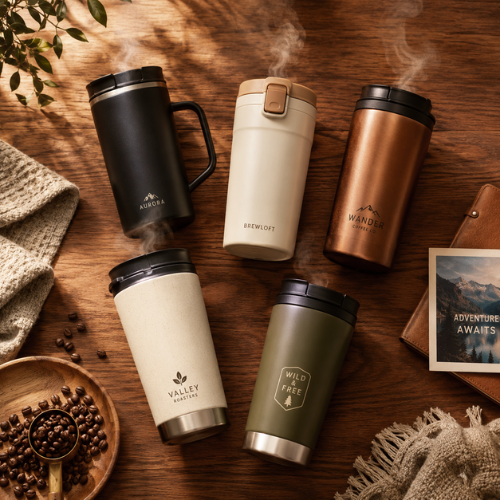
Thermal Travel Mug
A high-quality insulated travel mug keeps coffee at drinking temperature for hours. Brands like YETI, Contigo, and Fellow make genuinely excellent options.
Price range: $20–$55
Coffee Station Organizer
If you’re building a dedicated kitchen coffee station, a bamboo or acrylic organizer keeps pods, filters, stirrers, and accessories tidy and accessible. These are popular, Pinterest-worthy items.
Price range: $20–$60
Espresso Accessories
For espresso machine owners: a quality tamper, espresso distributor, knock box for grounds, and double-walled espresso glasses make the whole experience feel more professional and enjoyable.
Price range: $15–$80 per accessory
Real-Life Usage Scenarios
The Early Commuter
Sarah wakes at 5:45 AM and has 15 minutes before she needs to leave. She needs coffee ready before she’s fully awake. A programmable 12-cup drip machine with a thermal carafe, set the night before, is her best friend. Her machine starts at 5:30 AM. Coffee is ready, hot, and waiting.
The Work-From-Home Enthusiast
Marcus works remotely and makes 4–5 cups throughout the day. He doesn’t want a full pot sitting around and going stale. A semi-automatic espresso machine with a grinder gives him a fresh shot whenever he wants — plus the ability to make a proper cortado or cappuccino mid-afternoon.
The Apartment Kitchen
Jenna lives in a 650-square-foot apartment with minimal counter space. A single serve pod machine handles her daily commuter cup fast. On weekends, she breaks out a pour over cone and her electric kettle for a more intentional brewing experience.
The Family Kitchen
The Riveras have two adults and two teens who have recently discovered coffee. They need a large-capacity machine that’s foolproof and flexible enough for everyone’s taste preferences. A 12-cup programmable drip coffee maker with brew-strength control, a pause-and-pour feature, and a thermal carafe quietly takes care of the household’s coffee needs.
Expert Coffee Brewing Tips
These tips apply regardless of which machine you choose — they’re about maximizing every cup.
Use freshly roasted beans. Coffee tastes best within 2–4 weeks of the roast date. Look for the roast date on the bag (not a “best by” date, which tells you far less). Buy from local roasters or specialty brands that print roast dates clearly.
Grind immediately before brewing. Pre-ground coffee starts going stale within 15–30 minutes of being ground. When possible, grind just the amount you need for each brew.
Use the right grind size. Every brewing method has an optimal grind size — coarse for French press, medium for drip, fine for espresso, extra fine for Turkish coffee. Using the wrong grind causes under-extraction (sour) or over-extraction (bitter).
Measure your coffee. The SCA’s golden ratio is 1 to 2 tablespoons of coffee per 6 ounces of water, or roughly 55 grams per liter. Inconsistent measurement produces inconsistent coffee.
Use filtered water. Water is 98% of your coffee. If your tap water has any off-flavors, your coffee will too.
Never reheat coffee. Reheating coffee — especially in a microwave — accelerates the chemical breakdown that creates bitter, harsh flavors. A thermal carafe keeps coffee drinkable for 2–4 hours without reheating.
Clean your machine regularly. Every 1–3 months (depending on water hardness), run a descaling cycle. Monthly for hard water areas.
Store beans properly. Keep in a closed, airtight container, protected from heat and light exposure. Don’t store in the freezer unless you’re buying in bulk — the freeze/thaw cycles introduce moisture.
Final Buying Recommendations
After everything covered in this guide, here’s the condensed decision framework:
Choose a drip coffee maker if: You make multiple cups at once, you want simplicity and reliability, or you’re buying for a family or household.
Choose a single serve machine if: You’re a solo coffee drinker, convenience is your top priority, you prefer variety without commitment, or you want the fastest possible morning routine.
Choose an espresso machine if: You love lattes, cappuccinos, or straight espresso shots, you enjoy the craft of coffee making, and you’re willing to invest in quality.
Choose a French press or pour over if: You’re a flavor-first coffee drinker who values the brewing process, and you don’t mind taking 5 minutes to make coffee.
Choose a smart coffee maker if: You already have a smart home setup, you want maximum scheduling flexibility, or you love controlling your appliances from your phone.
Choose a bean-to-cup machine if: You want the freshest possible coffee with minimal daily effort and you’re willing to invest $500 or more in a machine that will last a decade.
Whatever you choose, buy from a reputable brand with solid warranty support, read real user reviews (not just star ratings), and don’t overlook the accessories that will make your setup complete.
Frequently Asked Questions (FAQ)
Q: What is the best coffee maker for home use in the USA?
A: The best home coffee maker depends on your brewing preferences. For most households, a programmable 10–12 cup drip coffee maker with a thermal carafe offers the best balance of convenience, quality, and value.
For coffee enthusiasts, a semi-automatic espresso machine or bean-to-cup machine offers a more premium experience. Brands like Breville, Cuisinart, and Technivorm consistently rank at the top of expert and user reviews.
Q: How much should I spend on a coffee maker?
A: A reliable mid-range drip coffee maker costs $80–$150. Budget options start around $25–$50 and work fine for basic needs. Premium machines for espresso or bean-to-cup brewing range from $300 to $2,500.
As a general rule, investing $100–$200 in a quality machine pays off in better flavor and longer lifespan compared to cheap alternatives.
Q: What is the difference between a drip coffee maker and an espresso machine?
A: Drip coffee makers brew by passing hot water through ground coffee using gravity, producing multiple cups of regular coffee.
Espresso machines force water through finely ground coffee at high pressure (around 9 bars), producing concentrated 1–2 oz shots with a layer of crema. Espresso is stronger, more intense, and serves as the base for lattes, cappuccinos, and americanos.
Q: Is a single serve coffee maker worth it?
A: Single serve machines are worth it if convenience is your priority and you typically make one cup at a time. They’re fast, easy, and offer great variety.
However, the ongoing cost of pods ($0.50–$1.50 per cup) is significantly higher than brewing with ground coffee ($0.10–$0.30 per cup), and flavor rarely matches a good drip or espresso machine.
Q: What features should I look for in a coffee maker?
A: Prioritize brewing temperature (ideally 197°F–205°F), carafe type (thermal beats glass for flavor preservation), programmability, brew strength settings, ease of cleaning, and water filtration. For espresso machines, also consider pressure consistency, boiler type, and milk steaming capability.
Ready to Find Your Perfect Coffee Maker?
You’ve just worked through everything you need to make a confident, well-informed decision. From understanding the difference between drip and espresso, to knowing exactly which features actually matter and which are marketing fluff — you’re equipped.
Your next steps:
- Compare top-rated models in the category that fits your needs
- Read detailed product reviews with real user feedback
- Check current pricing and deals — coffee maker prices fluctuate regularly
- Browse coffee accessories to complete your home brewing setup
Great coffee doesn’t require a café membership. It just requires the right machine, fresh beans, and a little know-how — all of which you now have.
→ Browse Our Top Coffee Maker Reviews → Shop the Best Coffee Accessories
Best Product Suggestions for you
Product Category | Examples | Price Range | Placement |
Drip Coffee Makers | Cuisinart DCC-3200, Breville BDC450, Technivorm Moccamaster | $80–$350 | Best for Families, Premium sections |
Single Serve Machines | Keurig K-Elite, Nespresso VertuoPlus | $100–$200 | Single Serve, Beginners sections |
Espresso Machines | Breville Barista Express, De'Longhi Magnifica | $400–$900 | Espresso, Premium sections |
Burr Grinders | Baratza Encore, OXO Brew Conical Burr | $100–$200 | Accessories section |
Milk Frothers | Breville Milk Cafe, Nespresso Aeroccino | $25–$100 | Accessories section |
Gooseneck Kettles | Fellow Stagg EKG, Bonavita Variable | $40–$120 | Pour Over, Tips sections |
Coffee Storage | Fellow Atmos, Planetary Design | $20–$50 | Accessories, Tips sections |
Thermal Travel Mugs | YETI Rambler, Fellow Carter | $25–$50 | Accessories section |
Coffee Station Organizers | Bamboo/acrylic organizer sets | $20–$60 | CTA, Accessories sections |
Related Articles