15 Must-Have DIY Tools News for Beginners homeowners
Written by Ibrahim Khalil – Authority at Better Homes & Kitchens ( Author Bio )
15 DIY Tools News Every New DIY Needs to Decorate, Repair, and Upgrade Their Home Like a Pro
Table of Contents
Introduction | Cordless Drill | Basic Hand Tool Kit | Tape Measure | Laser Level | Stud Finder | Utility Knife | Step Ladder | DIY Power Tool Organizer | Safety Gear | Orbital Sander | Caulking Gun | Paint Roller Kit | Hot Glue Gun | Oscillating Multi-Tool | Tool Bag / Storage Organizer | Beginner Buyer’s Guide | Final Thoughts | FAQ
Introduction
Starting DIY projects at home is exciting—until you realize how hard even simple upgrades become without the right tools.
Whether you’re hanging wall art, assembling furniture, painting accent walls, or tackling your first repair, having the best tools for DIY beginners can save time, money, and a lot of frustration.
The truth is, you don’t need a garage full of equipment to get started. A carefully chosen toolkit with the right essentials will help you complete most beginner-friendly projects with confidence—while making your home look more polished and personalized.
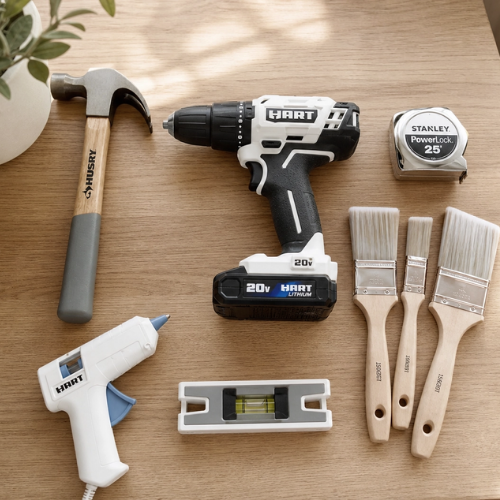
Below is your complete guide to the must-have DIY home decor tools for beginners, featuring 15 homeowner essentials, beginner-friendly product suggestions, and images for every section.
1. Cordless Drill: The First Tool Every DIY Beginner Should Buy
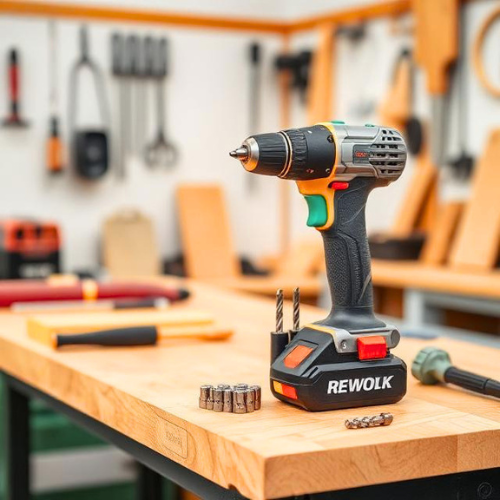
A cordless drill is one of the most important essential tools for homeowners because it handles a wide range of everyday tasks with ease.
From assembling furniture to mounting items on the wall, it quickly becomes a go-to tool for beginners starting their DIY journey. Its versatility and ease of use make it a must-have in any basic home toolkit.
You can use a cordless drill for many practical purposes, such as hanging curtain rods securely, mounting shelves to maximize storage, building furniture efficiently, and installing hardware like handles or hooks.
It is also ideal for drilling pilot holes, which helps prevent wood from splitting and ensures a cleaner, more professional finish.
Best For:
- Hanging curtain rods
- Mounting shelves
- Building furniture
- Installing hardware
- Drilling pilot holes
Recommended Product: Black+Decker 20V MAX Cordless Drill Driver
2. Basic Hand Tool Kit for Everyday Home Repairs
Every homeowner needs a reliable starter tool kit to handle everyday fixes and small projects around the house.
Without essential tools like screwdrivers and pliers, even simple repairs can quickly become frustrating and time-consuming.
That’s why having a complete kit is a fundamental step often highlighted in practical diy tools news and beginner home improvement guides.
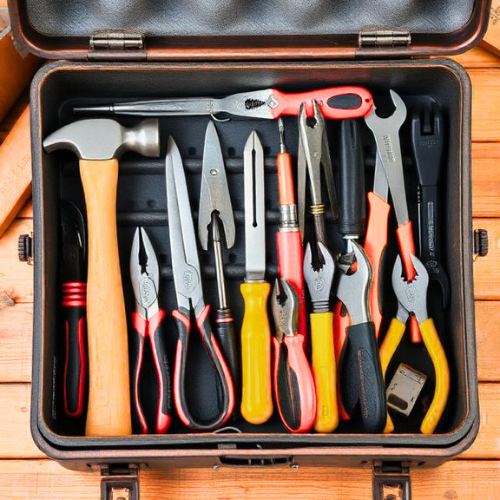
A well-rounded tool kit should include must-have items such as a hammer for basic tasks, screwdrivers for tightening or loosening screws, an adjustable wrench for various fittings, pliers for gripping and bending, a utility knife for cutting, and hex keys for assembling furniture. These tools cover most common household needs and help you stay prepared for unexpected repairs.
Investing in a quality set not only saves time but also gives you confidence to handle tasks on your own. It’s a smart and cost-effective solution for maintaining your home efficiently.
Must Include:
- Hammer
- Screwdrivers
- Adjustable wrench
- Pliers
- Utility knife
- Hex keys
Recommended Product: Cartman 148-Piece Household Tool Set
3. Tape Measure for Accurate DIY Planning
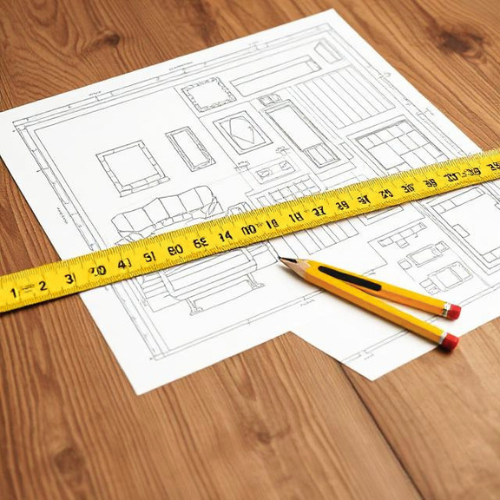
A tape measure is one of the most essential tools for homeowners, especially when it comes to planning DIY projects accurately.
Measuring before drilling, cutting, or buying furniture helps prevent costly mistakes and ensures everything fits perfectly in your space. It’s a simple tool, but it plays a crucial role in achieving clean and professional results.
You can use a tape measure for a variety of everyday tasks around the home. It helps you determine wall spacing for decor or shelves, measure furniture to ensure it fits your layout, and take accurate curtain measurements for proper installation.
It’s also useful when planning shelf placement, making sure everything is aligned and balanced.
Having a reliable tape measure saves time and reduces frustration, allowing you to work with confidence on any project. It’s a must-have for both beginners and experienced DIY enthusiasts who want precision and efficiency.
Use It For:
- Wall spacing
- Furniture sizing
- Curtain measurements
- Shelf placement
Recommended Product: Stanley 25-Foot Tape Measure
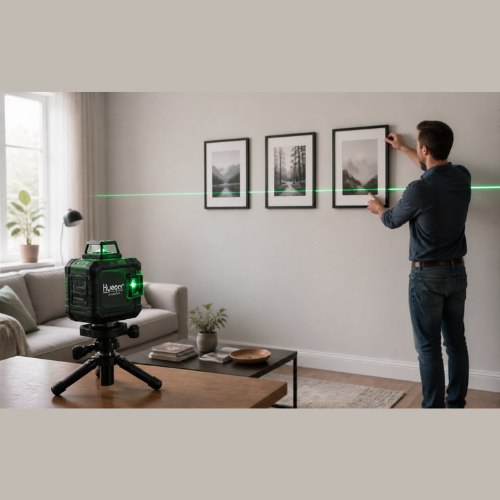
4. Laser Level for Designer-Level Precision
A laser level is a game-changing tool for achieving perfectly straight and professional-looking results in your home projects.
Crooked frames or uneven shelves can ruin even the most beautiful spaces, but a laser level makes alignment quick, easy, and accurate.
It’s especially useful when organizing your workspace or setting up a diy power tool organizer, where precision matters for both function and appearance.
This tool is perfect for tasks like creating gallery walls with evenly spaced frames, installing floating shelves with clean lines, aligning mirrors at the correct height, or even applying wallpaper without visible mistakes.
The laser guide helps you maintain consistency across all elements, saving time and reducing frustration.
Using a laser level not only improves the final look of your projects but also boosts your confidence when working on detailed setups. It’s a must-have for anyone who wants designer-level results at home.
Perfect For:
- Gallery walls
- Floating shelves
- Mirrors
- Wallpaper
Recommended Product: Huepar Self-Leveling Laser Level
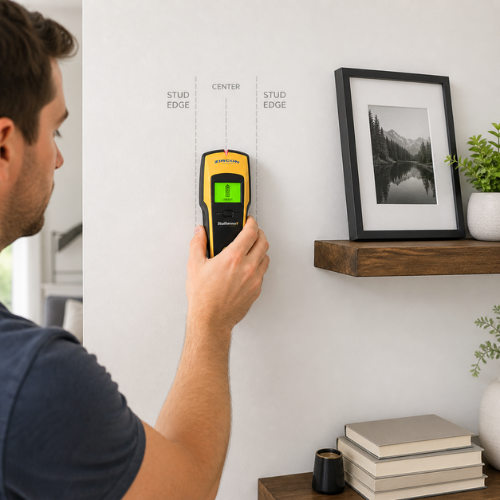
5. Stud Finder for Secure Wall Mounting
A stud finder is one of the most important diy home repair tools when it comes to safely mounting heavy items on your walls.
Without proper support, heavy decor can damage drywall or even fall, causing unnecessary accidents.
A stud finder helps you locate the wooden or metal studs behind the wall, ensuring a strong and secure installation.
This tool is especially useful for mounting TVs, where stability is crucial, as well as hanging heavy mirrors that require firm support.
It also works perfectly for installing floating shelves and large artwork, helping you achieve both safety and a clean, professional finish. By identifying the right spots to drill, it reduces guesswork and prevents costly mistakes.
Using a stud finder gives you confidence when handling heavier home projects and ensures your installations last over time. It’s a must-have for anyone serious about home improvement.
Best For:
- TVs
- Heavy mirrors
- Floating shelves
- Large artwork
Recommended Product: DEWALT Wall Scanner / Stud Finder
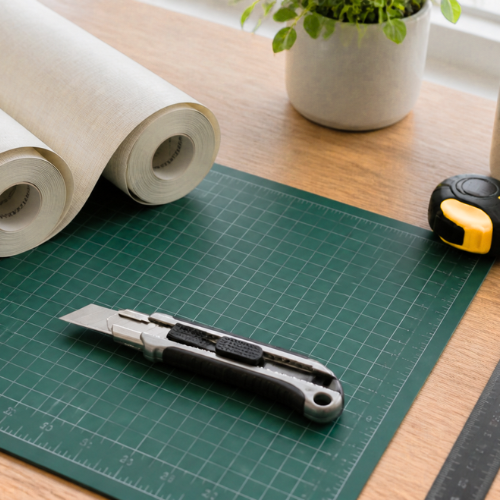
6. Utility Knife for Precision Cutting
A utility knife is one of the most versatile and practical tools you can own, especially when starting your DIY journey.
It handles dozens of small but important tasks, making it a must-have among the best tools for diy beginners.
Its compact size and sharp blade allow you to work with precision, whether you’re doing simple repairs or decorating projects around your home.
This tool is great for opening packages quickly and safely, trimming wallpaper for a clean finish, scoring drywall during small renovations, and cutting caulk neatly when sealing edges.
Its ease of use makes it ideal for beginners who want a reliable tool that can handle multiple everyday tasks without complication.
Having a good utility knife saves time and improves accuracy, helping you achieve cleaner results in your projects. It’s a simple tool, but its usefulness makes it essential in any basic toolkit.
Great For:
- Opening packages
- Trimming wallpaper
- Scoring drywall
- Cutting caulk
Recommended Product: Milwaukee Fastback Utility Knife
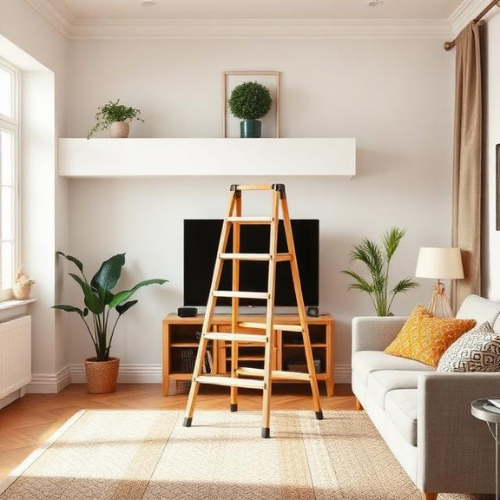
7. Step Ladder for Safe Access
A step ladder is an essential tool for any homeowner, especially when working on projects that require reaching above shoulder height.
Many decorating and repair tasks happen in elevated areas, making a sturdy ladder a must-have for safety and convenience. It’s often highlighted in practical diy tools news as a basic yet highly important item for every home.
You can use a step ladder for a variety of tasks, such as hanging curtains at the right height, painting walls evenly, installing ceiling lights, or decorating high shelves with ease.
Having stable support not only makes these tasks easier but also reduces the risk of accidents that can occur when using unstable furniture.
A foldable design is especially useful because it allows for easy storage when not in use. Investing in a reliable ladder ensures you can handle everyday home projects safely and efficiently, making your DIY experience smoother and more comfortable.
Use It For:
- Hanging curtains
- Painting walls
- Installing lights
- Decorating high shelves
Recommended Product: Little Giant Folding Step Ladder
8. DIY Power Tool Organizer for Better Storage
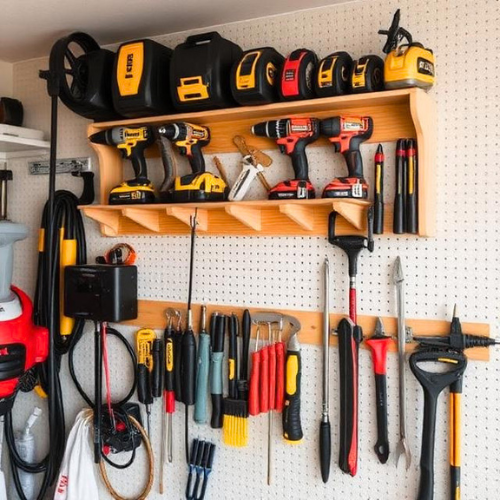
A DIY power tool organizer is a smart solution for keeping your workspace clean, efficient, and easy to manage. When tools are scattered, it becomes difficult to find what you need, slowing down your projects.
That’s why organizing your tools is considered one of the most essential tools for homeowners, especially for those who regularly work on DIY tasks.
This type of organizer helps save space by neatly storing drills, accessories, and other equipment in one place. It also protects your tools from damage by keeping them off the floor and properly arranged.
Another major benefit is keeping chargers and cords organized, which reduces clutter and prevents tangling. With everything easily accessible, you can work faster and more efficiently.
A wall-mounted setup is especially useful because it maximizes vertical space while keeping your tools visible and within reach. This makes your workspace more functional and enjoyable to use.
Benefits:
- Saves space
- Protects tools
- Keeps chargers organized
- Speeds up projects
Recommended Product: Wall-Mounted Drill & Tool Organizer Rack
9. Safety Gear You Should Never Skip
Safety should always come first when working on any DIY project, no matter how simple it seems. Using the right protective equipment helps prevent injuries and allows you to work with confidence.
Whether you are building, cutting, or organizing your workspace, safety gear is an essential part of any setup, including when working around a diy power tool organizer.
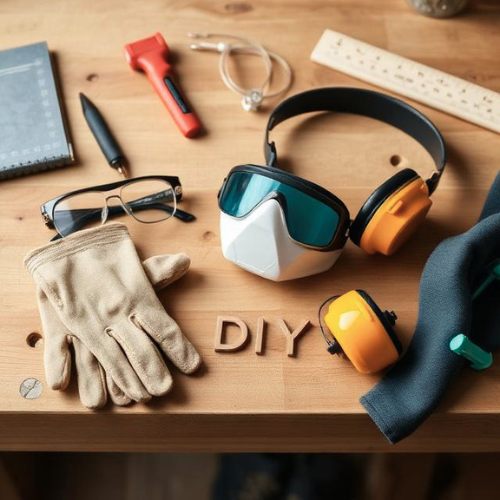
There are a few must-have safety items every DIY enthusiast should keep ready. Safety glasses protect your eyes from dust, debris, and flying particles.
Work gloves help prevent cuts and improve grip when handling tools. A dust mask is important when sanding or cutting materials to avoid breathing in harmful particles. Ear protection is also useful when using loud power tools for extended periods.
By using proper safety gear, you reduce risks and create a safer, more comfortable working environment. It ensures that your DIY projects remain enjoyable and injury-free from start to finish.
Must-Have Safety Items:
- Safety glasses
- Work gloves
- Dust mask
- Ear protection
Recommended Product: NoCry Safety Gear Bundle
10. Orbital Sander for Furniture Makeovers
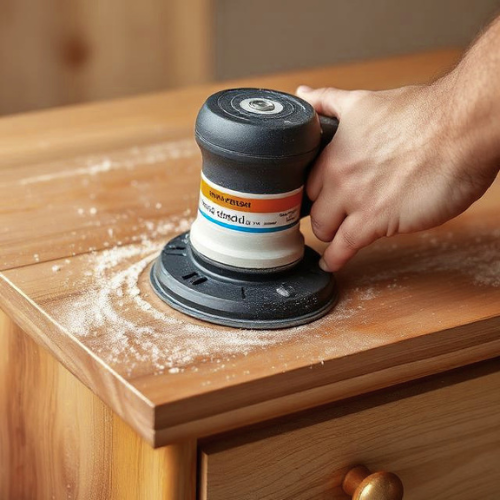
An orbital sander is a powerful and time-saving tool, especially if you’re planning to repaint furniture or refinish wood surfaces.
It plays a key role in surface preparation, making it one of the most useful diy home repair tools for achieving smooth and professional-looking results.
Instead of struggling with manual sanding, this tool helps you complete tasks faster and with better consistency.
It is perfect for furniture flipping projects, where old pieces need a fresh start. You can also use it for paint preparation by removing old finishes and creating a clean surface for new coats.
It works well for smoothing rough wood, eliminating splinters, and giving surfaces a polished feel. Additionally, it’s ideal for refinishing decor pieces, helping restore their original beauty.
Using an orbital sander not only improves the quality of your work but also reduces effort and fatigue. It’s a valuable addition to any toolkit for anyone serious about DIY projects.
Perfect For:
- Furniture flipping
- Paint prep
- Smoothing rough wood
- Refinishing decor pieces
Recommended Product: Makita Random Orbital Sander
11. Caulking Gun for Polished Finishes
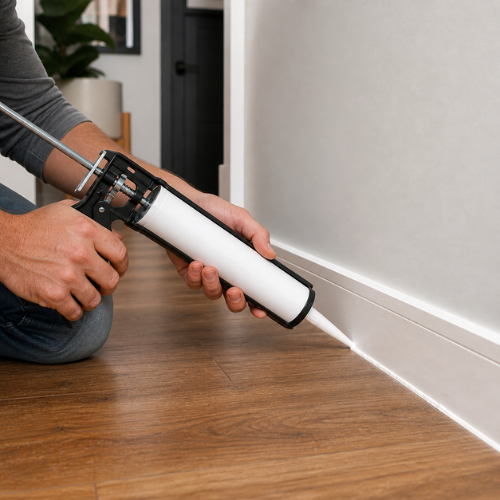
A caulking gun is a small but highly effective tool that helps give your projects a clean and professional finish.
It’s often included among the best tools for diy beginners because it’s easy to use and makes a noticeable difference in the final look of your work.
Whether you’re doing small repairs or finishing touches, this tool helps create smooth and neat results.
You can use a caulking gun for sealing baseboards to close small gaps and improve the overall appearance of a room.
It’s also perfect for bathroom caulking, where it helps prevent water leaks around sinks, tubs, and showers.
Additionally, it works well for window trim and backsplashes, ensuring edges look polished and properly sealed.
Using this tool not only improves durability but also enhances the visual quality of your space. It’s a simple addition to your toolkit that delivers professional-level results with minimal effort.
Use It For:
- Sealing baseboards
- Bathroom caulking
- Window trim
- Backsplashes
Recommended Product: Dripless Heavy-Duty Caulking Gun
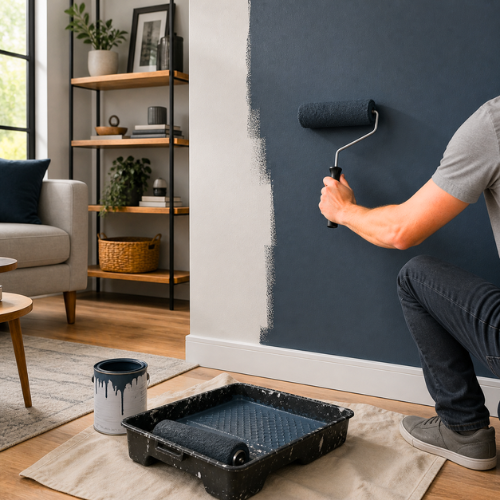
12. Paint Roller Kit for Wall Transformations
Painting is one of the fastest and most effective ways to refresh any room without a major renovation.
A good paint roller kit helps you achieve smooth, even coverage, making it a must-have among essential tools for homeowners.
It simplifies the process and allows both beginners and experienced DIYers to complete projects efficiently. This is why it’s often featured in practical diy tools news for home improvement.
A paint roller kit is ideal for a variety of tasks, including creating accent walls that add personality, repainting entire rooms for a fresh look, and even updating old furniture with a new finish.
It’s also useful for ceiling touch-ups, helping you maintain a clean and polished appearance throughout your home. Using the right roller ensures better paint distribution and reduces visible streaks.
With this simple tool, you can transform your space quickly and affordably. It’s a reliable addition to any toolkit for achieving professional-looking results.
Ideal For:
- Accent walls
- Room repainting
- Furniture painting
- Ceiling touch-ups
Recommended Product: Wooster Paint Roller Kit
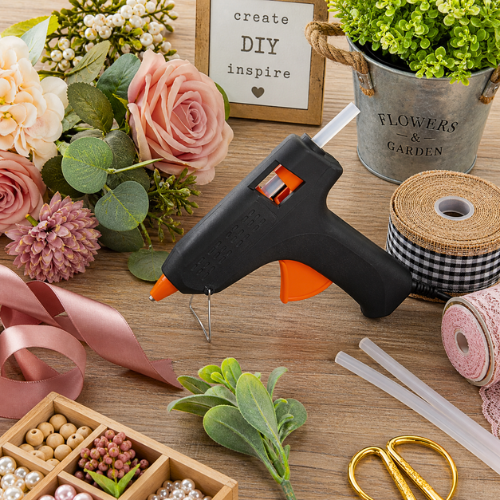
13. Hot Glue Gun for Decorative DIY Projects
A hot glue gun is a versatile and easy-to-use tool that is perfect for decorative projects and quick fixes around the home.
It is especially popular in creative DIY setups because it provides a fast and strong bond for lightweight materials.
Whether you’re working on crafts or organizing supplies near a diy power tool organizer, this tool adds convenience and efficiency to your workspace.
Hot glue guns are useful for a variety of tasks, such as creating faux floral arrangements, assembling seasonal decor, and designing craft wall art.
They are also great for small repairs, helping you fix minor issues quickly without needing complex tools.
As part of essential diy home repair tools, a glue gun allows you to handle both decorative and functional tasks with ease.
Its compact size and simple operation make it ideal for beginners as well as experienced DIY enthusiasts. With a reliable glue gun, you can complete projects faster while achieving clean and secure results.
Useful For:
- Faux floral arrangements
- Seasonal decor
- Craft wall art
- Small repairs
Recommended Product: Gorilla Dual Temp Mini Glue Gun
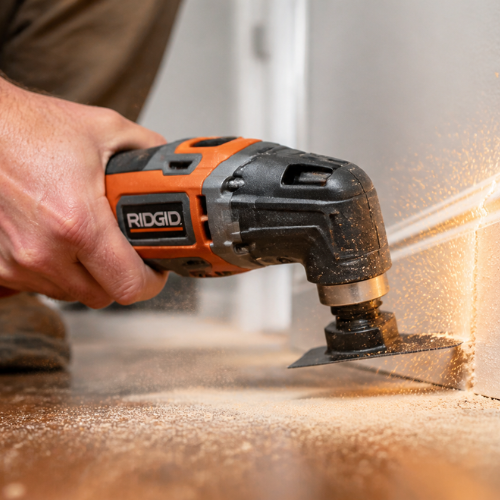
14. Oscillating Multi-Tool for Advanced DIY Projects
An oscillating multi-tool is a versatile and powerful addition to your toolkit, especially when you’re ready to take on more advanced projects.
While it may seem complex at first, it quickly becomes one of the best tools for diy beginners who want to expand their skills and handle detailed work with precision. Its ability to switch between attachments makes it extremely useful for a wide range of tasks.
This tool is perfect for trim cutting, allowing you to make clean and accurate cuts in tight spaces. It also works well for removing grout during tile repairs, sanding corners that are hard to reach, and even handling small demolition tasks without damaging surrounding areas.
Its compact design gives you better control compared to larger tools.
With the right attachments, an oscillating multi-tool can replace several single-purpose tools, making it a smart investment. It helps you complete projects faster while achieving professional-quality results.
Best For:
- Trim cutting
- Removing grout
- Sanding corners
- Small demolition
Recommended Product: DEWALT Oscillating Multi-Tool
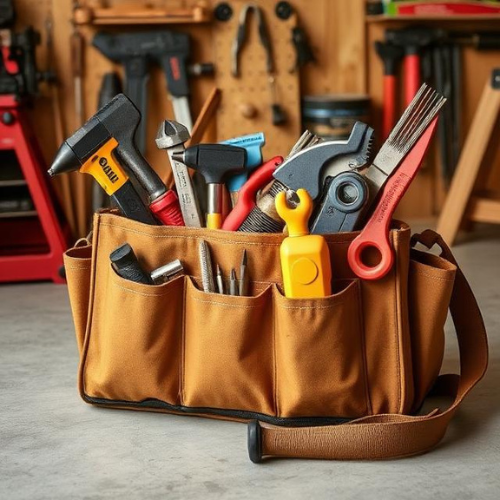
15. Tool Bag or Storage Organizer
A tool bag or storage organizer is an essential item for keeping your workspace neat, efficient, and easy to manage. When tools are scattered, it wastes time and increases the chances of losing or damaging them.
That’s why staying organized is often emphasized in practical diy tools news, especially for beginners and homeowners who want a smoother workflow.
One of the biggest benefits of a tool bag is quick access to all your essential tools, allowing you to move from one task to another without delays.
It also helps prevent tool damage by keeping everything properly stored and protected. Portability is another advantage, as you can easily carry your tools from room to room or even outside for different projects. Additionally, an organized setup creates a cleaner workspace, which improves focus and efficiency.
Investing in a durable tool bag makes your DIY projects more convenient and stress-free while keeping everything in one place.
Benefits:
- Quick access
- Prevents tool damage
- Easier portability
- Cleaner workspace
Recommended Product: CLC Custom LeatherCraft Tool Bag
Beginner Buyer’s Guide: How to Choose the Right DIY Tools
Before buying every tool at once, keep these tips in mind:
1. Start with Versatile Essentials
Begin your DIY journey by choosing tools you will use often, such as a drill, tape measure, and basic hand tools. These versatile essentials cover most everyday tasks and help you build a strong foundation without overspending on unnecessary or advanced equipment in the early stage.
2. Invest in Quality for Frequent-Use Items
Spend a little more on tools you’ll use regularly, like drills or screwdrivers. High-quality tools last longer, perform better, and save money over time. Cheap tools may break or wear out quickly, leading to frustration and repeated purchases, which ultimately costs more in the long run.
3. Don’t Overspend on Specialty Tools Early
Avoid buying advanced or specialized tools before you actually need them. Many DIY beginners purchase tools they rarely use. Instead, focus on essentials first and only invest in specialty tools when your projects specifically require them, helping you manage your budget more efficiently.
4. Plan for Storage Early
Organizing your tools from the beginning is important for efficiency and convenience. A proper storage system keeps tools easy to find, prevents damage, and reduces clutter. Without organization, your workspace can quickly become messy, making DIY projects more time-consuming and frustrating.
Final Thoughts
Building your first DIY toolkit is one of the smartest investments you can make as a homeowner or decor enthusiast.
With these diy home repair tools, you’ll be ready to tackle everything from simple wall decor projects to full room refreshes—without constantly hiring help.
The best part? Once you own the right tools, every new idea becomes easier to bring to life.
FAQ
What are the best tools for DIY beginners?
The most important beginner DIY tools are a cordless drill, hand tool kit, tape measure, laser level, stud finder, and safety gear.
What are the most essential tools for homeowners?
Every homeowner should have a drill, hammer, screwdrivers, measuring tape, utility knife, and ladder at minimum.
Do beginners need power tools?
Yes—at least a cordless drill. It’s the most versatile and beginner-friendly power tool for home projects.
How much should a beginner spend on DIY tools?
Most beginners can build a solid starter toolkit for $150–$300 depending on quality and brands.